

José "Chegüi" Torres won the light heavyweight title at the Garden in 1965, celebrated in a Brooklyn Heights apartment, and then spent the rest of his life writing about the sport and running the commission that licensed it.
The party was in Brooklyn Heights. On the night of March 30, 1965, after José Torres knocked out Willie Pastrano in the ninth round at Madison Square Garden to win the light heavyweight championship of the world, Norman Mailer threw the celebration at his apartment across the river. Torres was the third Puerto Rican world champion in history and the first Latin American to hold the light heavyweight title. The friendship that started that night lasted until Mailer died.
It is a good place to begin, because Torres spent most of his life on both sides of the page. He fought, and then he wrote about fighting, and then he ran the state body that decided who was allowed to fight at all.
Ponce, the Army, Melbourne
He was born in Ponce, Puerto Rico, on May 3, 1936. He did not box as a boy. He started at seventeen, after he joined the United States Army, and his only amateur titles before the Olympics came in Army and inter-service championships. He was still a soldier when he went to the 1956 Games in Melbourne and won a silver medal, losing the final to the Hungarian László Papp, one of the great amateurs of the century.
In New York he trained under Cus D'Amato at the Empire Sporting Club, which D'Amato ran out of the Gramercy Gym on 14th Street. In 1958 Torres won the national AAU middleweight title and the New York Golden Gloves open title at 160 pounds. He turned professional the same year with a first-round knockout of George Hamilton in New York.
The climb
The record from there reads like a manager's plan working. Twelve wins in a row, ten by knockout. A ten-round draw with Benny Paret in San Juan. A homecoming in Ponce in 1961. A first loss, in 1963, stopped in five by the Cuban Florentino Fernández, the only man ever to knock him out as a professional. Then a run through 1964 that included a one-round knockout of the former middleweight champion Bobo Olson. By the end of that year he was the top-ranked challenger at light heavyweight.
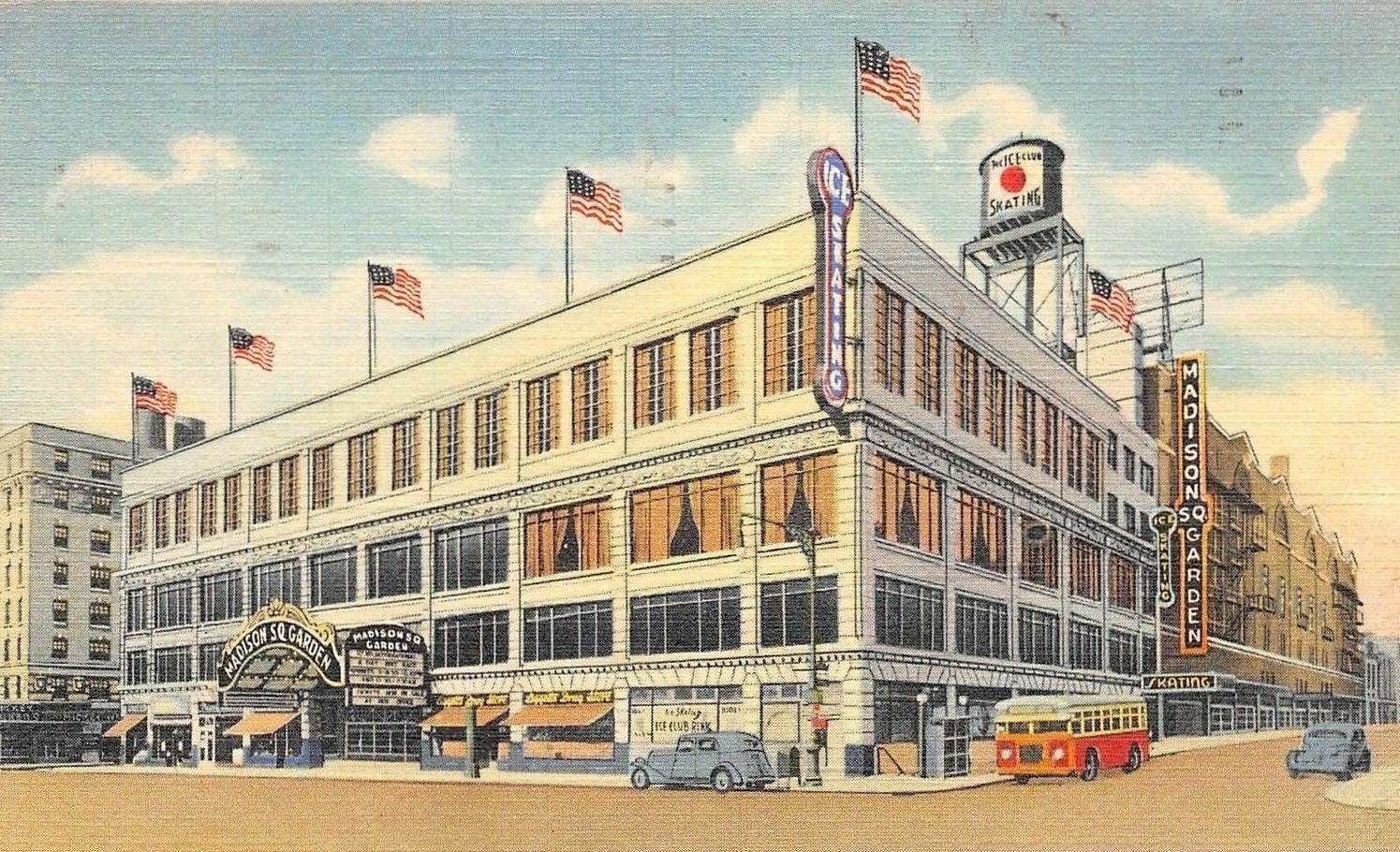
The title fight came at the third Madison Square Garden, the one on Eighth Avenue between 49th and 50th Streets. Pastrano was a Hall of Fame boxer and a clever one. Torres stopped him in nine.
He defended three times in 1966, beating Wayne Thornton and Eddie Cotton over fifteen rounds and stopping Chic Calderwood in two. He lost the title to Nigeria's Dick Tiger on a decision at the end of that year, and lost the rematch in 1967 on another decision that many in the crowd thought was wrong. A riot followed. Torres fought twice more and retired in 1969.
The writer
Mailer's circle mattered. That summer of 1965 Mailer flew to San Juan to watch Torres fight Tom McNeeley. Years later the two men boxed each other on The Dick Cavett Show. Pete Hamill helped Torres get a column at the New York Post. He also wrote for El Diario La Prensa, the Spanish-language daily, and for The Village Voice.
In 1971 he published Sting Like a Bee: The Muhammad Ali Story, with a preface by Mailer, who had helped him edit it in Vermont that June. Mailer used the preface to argue that champion boxers are highly intelligent men, which was not a widely held view in publishing at the time. In 1989 Torres published Fire and Fear: The Inside Story of Mike Tyson, later the basis for an HBO film.
The commissioner
From 1984 to 1988 Torres chaired the New York State Athletic Commission. A Puerto Rican former champion was now running the agency that had once suspended Ali's license, and he did the job with a reputation for picking up the phone. He also stumbled. In 1988 the Voice criticized him for cheering at ringside for Mike Tyson, who had been brought up by Torres's own mentor, D'Amato, while Torres was the state's top boxing regulator. Not long after, he resigned. He went on to serve as president of the World Boxing Organization from 1990 to 1995.
In 2007 he moved home to Ponce to write about sports and history. He died there of a heart attack on January 19, 2009. He was 72.
There is a version of this story in which the writing is a footnote to the fighting. Torres himself seems to have seen it the other way around.
"As chairman of the New York State Athletic Commission from 1984-1988, Torres never failed to return a phone call or to answer a tough question."
The Record is the editorial desk of Kings County. Drafted from obituaries and published histories. Corrections and additions: write to the editors.
Sources
- José Torres (boxer), career record, Olympics, D'Amato, NYSAC, WBO, books, death: https://en.wikipedia.org/wiki/Jos%C3%A9_Torres_(boxer)
- Norman Mailer Society, "José Torres Dies at 72," Jan. 20, 2009 (Pastrano date, Brooklyn Heights party, San Juan trip, Cavett, Sting Like a Bee preface): https://normanmailersociety.org/news/2009/01/jose-torres-dies-at-72/
- The Village Voice, "Jockbeat: José Torres, Friend to the Voice," Jan. 22, 2009: https://www.villagevoice.com/jockbeat-jose-torres-friend-to-the-voice/
- Richard Goldstein, "José Torres, 72, Boxing Hall of Famer and Official, Dies," New York Times, Jan. 20, 2009: https://www.nytimes.com/2009/01/20/sports/othersports/20torres.html
- Cus D'Amato (Empire Sporting Club, Gramercy Gym): https://en.wikipedia.org/wiki/Cus_D%27Amato